As electric vehicles (EVs) become an integral part of the future of transportation, selecting the right battery pack for electric cars is crucial for performance, safety, and longevity. Among the most commonly used battery chemistries today are Lithium Iron Phosphate (LFP) and Nickel Cobalt Manganese (NCM). This article explores the key differences between LFP and NCM battery packs and helps determine which one may be best suited for the evolving EV market.
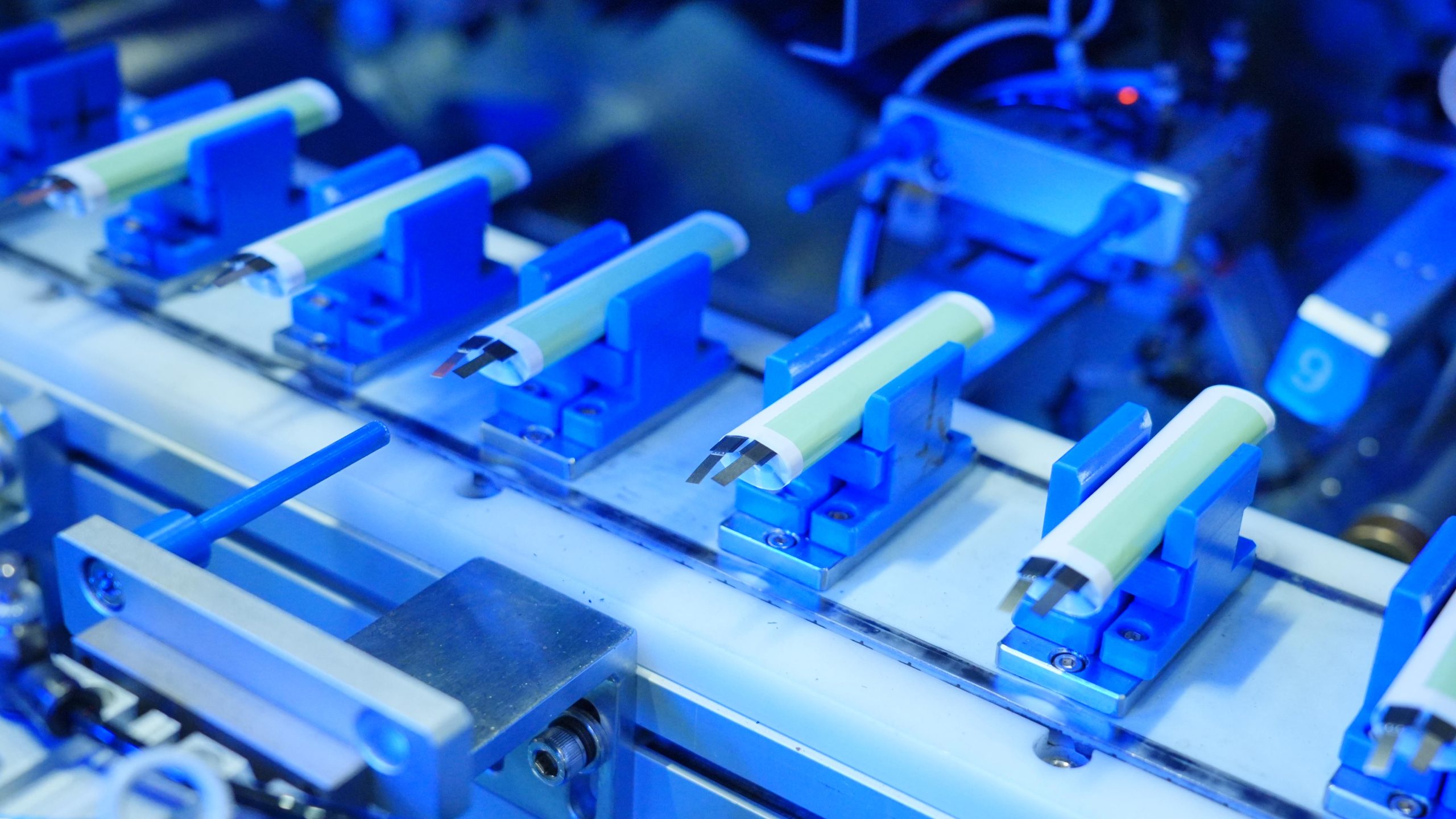
LFP Battery Packs: Stability and Long Life
LFP batteries have gained popularity in electric vehicle battery packs due to their exceptional safety and long lifespan. Great Power, a leader in battery technology, uses LFP cells known for their high cycle life, often exceeding 3000 charge cycles. This long-lasting performance means fewer battery replacements and reduced maintenance costs over the vehicle’s lifespan. LFP batteries are also known for their stability, making them less prone to overheating or fires, a significant advantage for EVs in terms of safety.
In terms of charging performance, LFP battery packs provide strong fast-charging capabilities. They can support high-rate continuous charging and discharging (1C), making them a reliable choice for EV owners who need quick and efficient charging. The robust Battery Management System (BMS) integrated into Great Power’s LFP packs ensures optimal performance and protection, safeguarding against overcharging, overdischarging, overvoltage, and excessive temperatures.
NCM Battery Packs: High Energy Density and Range
NCM batteries, which combine nickel, cobalt, and manganese, are known for their high energy density, making them an excellent choice for EVs that require a long range on a single charge. These battery packs are capable of delivering higher energy output, which is crucial for long-distance driving. While NCM batteries generally offer more power, they come at a higher cost due to the expensive materials involved, particularly cobalt.
NCM packs typically have a shorter lifespan compared to LFP batteries but excel in performance when it comes to range and efficiency. Their ability to store more energy in a smaller volume allows EVs to achieve higher mileage, which can be particularly advantageous for long-haul electric vehicles.
Choosing the Right Battery Pack: LFP vs. NCM for Electric Vehicles
When deciding between LFP and NCM battery packs, the choice ultimately depends on the specific needs of the electric vehicle. For those seeking long-lasting performance, enhanced safety, and lower maintenance costs, LFP batteries are an excellent choice. They offer significant advantages in terms of cycle life and reliability, making them ideal for everyday electric vehicles. On the other hand, for those who prioritize long range and higher energy density, NCM batteries may be the preferred option, especially for high-performance EVs.
Great Power’s commitment to advanced battery technology, along with its top-tier Battery Management System, ensures that both LFP and NCM battery packs meet the highest standards of performance, safety, and durability. Whether it’s for a city car or a long-distance electric vehicle, the right battery pack for electric cars will depend on balancing cost, range, lifespan, and overall safety. As the EV market continues to grow, both LFP and NCM technologies will play crucial roles in powering the future of sustainable transportation.
