The infrastructure for distributing absorbent hygiene products often hinges on the specific procurement path a business pursues. Whether an organization contracts directly with an industrial production site or relies on an established distribution intermediary, the decision affects both operational costs and inventory availability. By partnering with a verified sanitary pads manufacturer, brands gain access to end-to-end production solutions that ensure quality control and production consistency. This structural difference in sourcing determines how effectively a company can scale its inventory in response to consumer demand fluctuations across diverse retail landscapes.
Operational Advantages of Direct Factory Integration
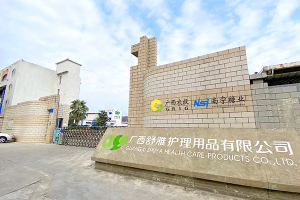
Direct engagement with a production facility allows for deeper collaboration regarding product specifications, materials, and long-term supply planning. When a brand connects with a sanitary pads manufacturer, they obtain the ability to customize items through private label services, ensuring that the product range aligns precisely with their brand identity. Shuya provides this specialized support by leveraging advanced manufacturing technology to meet specific requirements. This direct link reduces the layers between design and distribution, allowing for a more responsive supply chain that can adapt to changing market needs with professional speed.
Efficiency Factors in Wholesale Distribution
The sanitary pads wholesale model often offers greater accessibility for smaller retail entities that may not require the high-volume commitments associated with direct factory procurement. This channel provides a ready supply of inventory that simplifies the logistics for businesses focused on localized market penetration. Shuya supports various distribution needs by ensuring their production output is accessible and reliable for multiple partners. By utilizing these established channels, businesses can efficiently manage their stock levels without the overhead of direct factory management, provided they prioritize partners that maintain strict international quality standards.
Strategic Considerations for Global Sourcing
Aligning the right procurement model with a company’s growth strategy remains a vital component of commercial success. While direct manufacturing offers high levels of control and customization, the alternative provides essential simplicity for specific business tiers. Shuya manages these complex requirements by operating flexible production systems that accommodate diverse partnership structures. When firms evaluate the differences between engaging a sanitary pads manufacturer and utilizing a sanitary pads wholesale network, they must assess their current volume needs and long-term expansion goals. A balanced approach ensures that supply chain efficiency supports overall profitability.
Sustaining Supply Chain Reliability
The resilience of an absorbent goods business depends on the stability of its chosen distribution structure. As companies grow, they must maintain consistent access to high-quality inventory to satisfy consumer expectations and uphold brand reputation. By focusing on reliable production and clear communication, partners can overcome logistical hurdles and maintain a steady product flow. The support provided by Shuya ensures that their partners remain well-supplied, regardless of whether they procure through direct channels or opt for the convenience of sanitary pads wholesale solutions. Consistent investment in these relationships secures the foundation required for ongoing commercial development.
