The priority of focused relief in tents, patios, or compact outdoor enclosures makes one point clear: the project earns its place by delivering cool air to people instead of losing it through a poorly arranged area. Comparing options for outdoor cooling airflow brings the evidence into view: before products enter the discussion.
The planned routine of focused relief in tents, patios, or compact outdoor enclosures clarifies what the project must accomplish. Achieving better perceived cooling from the available capacity requires a direct check: before appearance carries weight, the household needs a workable response to recirculating hot exhaust, blocking the intake.
Or expecting open-air cooling to behave like a sealed room. For focused relief in tents, patios, or compact outdoor enclosures, this keeps the decision centered on better perceived cooling from the available capacity instead of superficial upgrades. Outdoor cooling airflow deserves a focused review: reviewing shade, wind direction.
Exhaust clearance, and nearby barriers first keeps the Outdoor Air Conditioner search tied to the actual property. Outdoor cooling airflow must answer focused relief in tents, patios, or compact outdoor enclosures; circulation and furniture placement are on the right track if the supply stream crosses the occupied zone while heat moves away.
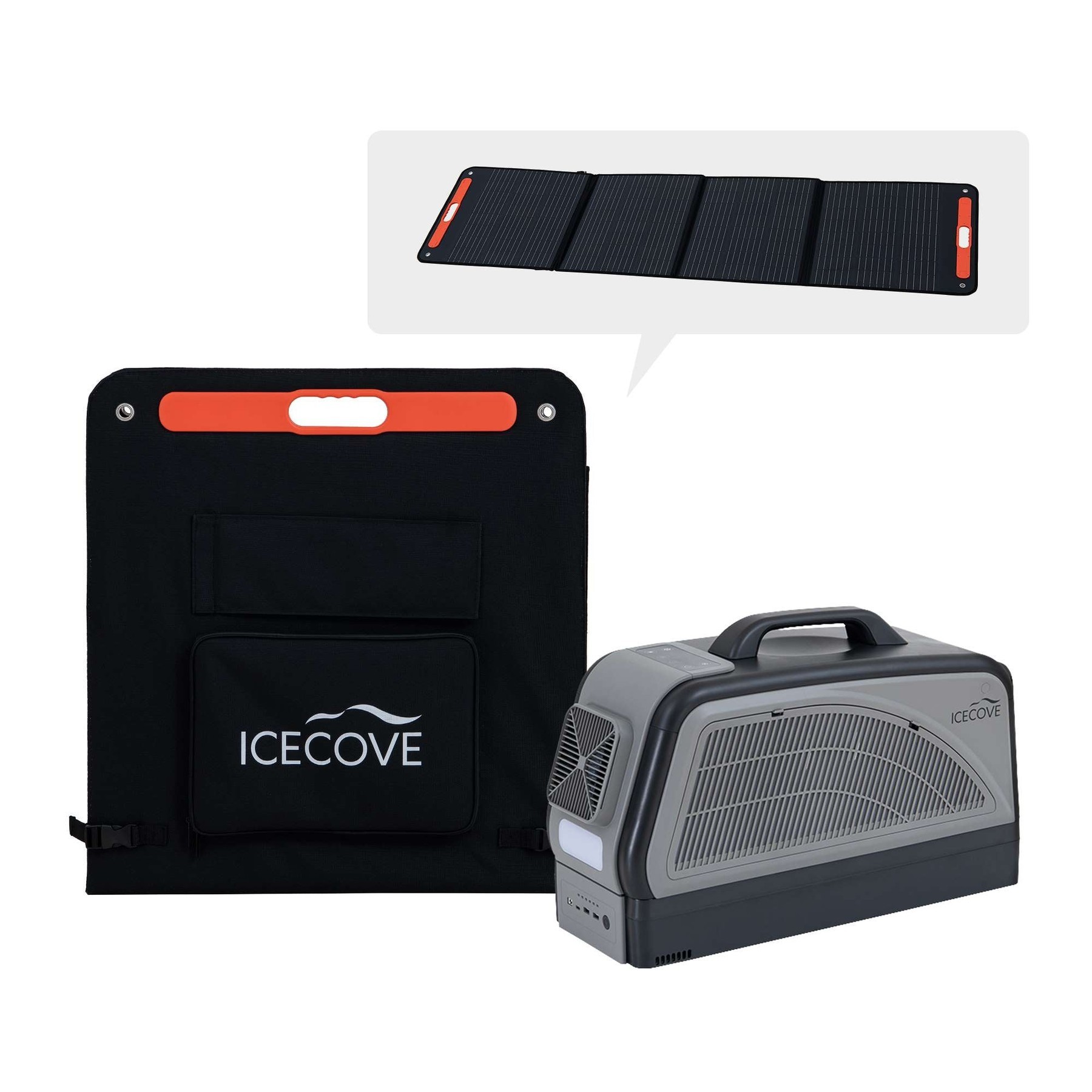
Separate Cool Supply from Hot Exhaust
Avoiding recirculating hot exhaust, blocking the intake, or expecting open-air cooling to behave like a sealed room requires a final check: color, accessories, and optional upgrades should wait until the objective of delivering cool air to people instead of losing it through a poorly arranged area is secure. Once shade, wind direction, exhaust clearance.
And nearby barriers has been examined by the household, Measured against the routine, SUNJOY‘s portable air conditioners, solar-compatible units, tent cooling products, power banks, and folding solar panels can be reviewed by size, construction, and intended use. Making better perceived cooling from the available capacity realistic requires one safeguard.
Model-level details matter here, especially power source, ventilation, exhaust, drainage, and target-space size for the individual model. The objective of delivering cool air to people instead of losing it through a poorly arranged area sets the standard: the measurement pass should follow shade, wind direction, exhaust clearance.
And nearby barriers and extend beyond the product’s stated footprint. Better perceived cooling from the available capacity remains the goal; circulation should be tested from the perspective of people, furniture, tools, or vehicles, with the arrangement adjusted until the supply stream crosses the occupied zone while heat moves away.
Shape the Area Around the Airflow
Outdoor cooling airflow shapes the project; the useful test is not a feature count but proof that the option can meet the objective of delivering cool air to people instead of losing it through a poorly arranged area. Outdoor cooling airflow uses a site record covering shade, wind direction, exhaust clearance.
And nearby barriers; the material discussion is practical rather than cosmetic because portable systems provide focused cooling and can move between suitable indoor and outdoor settings. During focused relief in tents, patios, or compact outdoor enclosures, the ownership question is equally specific.
How manageable will clean vents and unobstructed hoses be over time? Outdoor cooling airflow uses the property context of shade, wind direction, exhaust clearance, and nearby barriers; An option from the portable outdoor air conditioner category earns attention only when it improves focused relief in tents, patios, or compact outdoor enclosures.
Outdoor cooling airflow raises a specific question: the relevant benefit is easy to identify: its performance improves when cool supply air reaches occupants and hot exhaust leaves without recirculating. For better perceived cooling from the available capacity, that connection keeps the selection tied to a genuine household need.
Monitor Conditions as the Space Changes
Outdoor cooling airflow uses a first-pass assessment of shade, wind direction, exhaust clearance, and nearby barriers; the next decision is whether portable cooling designed around mobility, focused airflow, and varied power arrangements offered by SUNJOY aligns with the household’s priorities.
The initial notes on shade, wind direction, exhaust clearance, and nearby barriers indicate that a responsible purchase balances design, quality, material, price, and practical performance in the context of focused relief in tents, patios, or compact outdoor enclosures.
Comparing options for outdoor cooling airflow brings the evidence into view: good planning becomes visible when the household can enjoy focused relief in tents, patios, or compact outdoor enclosures without working around the product. Outdoor cooling airflow should be checked beside shade.
Wind direction, exhaust clearance, and nearby barriers; verified information gives the completed project a stronger chance of delivering better perceived cooling from the available capacity. The priority of focused relief in tents, patios, or compact outdoor enclosures makes one point clear.
Clear responsibility for clean vents and unobstructed hoses turns the installation into a durable part of the property. Planning focused relief in tents, patios, or compact outdoor enclosures becomes easier when price and appearance can be considered only after the preferred option from portable outdoor air conditioner has passed the site-fit check.
Making better perceived cooling from the available capacity realistic requires one safeguard: a mismatch in access, foundation or placement, exposure, operation, and maintenance expectations would weaken the case for better perceived cooling from the available capacity. Planning for focused relief in tents.
Patios, or compact outdoor enclosures brings a practical point forward: if the plan still involves recirculating hot exhaust, blocking the intake, or expecting open-air cooling to behave like a sealed room, the household should reconsider the size, format, or location before purchase. SUNJOY portable cooling options should ultimately be evaluated according to airflow, exhaust routing, power access, and the actual degree of enclosure around the occupied area.
