Rubber production changes quickly when a manufacturer handles different part sizes, compounds, molds, and order volumes. Experience matters because these changes affect machine configuration, process control, mold handling, and daily production planning. Among rubber injection molding companies, those with long-term application knowledge can often identify practical requirements before equipment specifications are fixed.
The same applies when buyers compare rubber injection molding machine suppliers. A machine may meet a basic tonnage or injection requirement, yet production flexibility also depends on how well the equipment matches the actual product, material, mold, curing process, and automation plan.
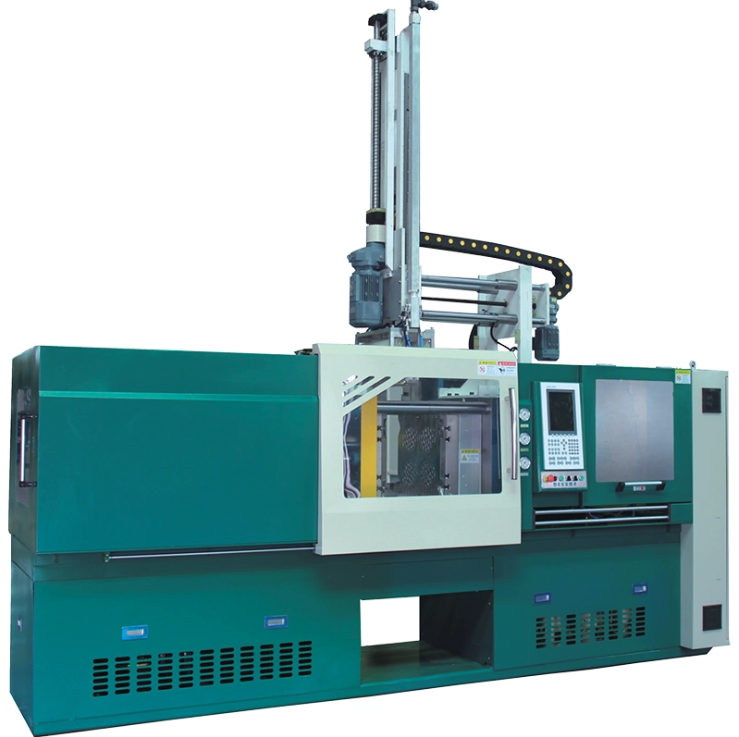
Experience Helps Translate Product Needs Into Machine Requirements
Flexible production starts with a clear understanding of the part. Rubber products used in vehicles, electrical systems, agricultural machinery, and heavy equipment can differ greatly in shape, size, material behavior, and curing conditions. These factors influence clamping force, injection volume, mold access, heating, feeding, and part removal.
Experienced engineering teams can review drawings, compound characteristics, mold dimensions, cycle targets, and handling needs before deciding how a machine should be configured. This reduces the risk of choosing equipment based only on a general machine category or a single technical figure.
This is one reason buyers often examine the background of rubber injection molding companies when planning projects with varied production demands. Industry experience can help connect equipment design with the conditions that operators will face after commissioning.
Different Industries Create Different Production Priorities
Automotive rubber parts may require repeatable dimensions, controlled material use, and stable production across multiple molds. Power-industry products can involve larger components, longer molding cycles, or silicone and EPDM processing. Rubber parts for engineering vehicles and agricultural machinery may place more attention on durability, size, and practical mold handling.
Because these applications differ, flexible production does not mean using one identical setup for every product. It means selecting a machine structure and process arrangement that can support the required range of products without creating unnecessary complexity.
When comparing rubber injection molding machine suppliers, buyers can ask how previous projects in similar industries influenced machine layout, injection design, control logic, and auxiliary equipment selection. Answers based on actual application work are often more useful than broad descriptions of flexibility.
Customization Should Solve Specific Process Problems
Customization has value when it addresses a defined production need. Changes may involve injection units, clamping arrangements, mold loading, heating zones, feeding systems, ejection, safety interfaces, or automation connections. The useful question is not how many options are available, but why a certain option is needed for the product.
Dekuma has focused on rubber injection molding equipment for many years and provides turnkey technology solutions for industrial customers. Its core machine components are designed by their technical team, while equipment can be developed around application-specific production requirements. This background supports projects where standard machine layouts may not fully match the intended process.
For B2B buyers, this type of engineering discussion should happen before the final quotation. Product drawings, rubber compounds, mold information, output targets, factory conditions, and automation requirements should be reviewed together. Clear inputs give both sides a stronger basis for deciding which changes are necessary.
Flexible Production Also Depends on Process Stability
A flexible production plan is useful only when operators can move between products without creating unstable process conditions. Different compounds may require changes in feeding, plasticizing, injection pressure, temperature, curing time, or mold preparation. Machine settings therefore need to be adjustable in a controlled and understandable way.
Experienced rubber injection molding companies can use previous application knowledge to identify which process variables deserve closer attention during trials. This does not remove the need for testing. It helps the project team organize tests around realistic production risks rather than relying on repeated adjustment after installation.
Documentation and operator training also support flexibility. When settings, changeover steps, alarm handling, and maintenance points are clearly explained, production teams can manage product changes with less dependence on individual operator habits.
Project Experience Can Improve Turnkey Coordination
Turnkey projects may connect the molding machine with molds, feeding devices, handling equipment, automation, utilities, and production acceptance. A change in one area can affect several others. For example, a heavier mold can influence handling arrangements, while a different compound may change feeding or temperature requirements.
This is where experienced rubber injection molding machine suppliers can contribute beyond equipment delivery. Project history can help technical teams identify interfaces early, clarify responsibilities, and arrange testing around the actual production target.
Dekuma serves industrial applications including automotive, power, engineering vehicles, agricultural machinery, and military vehicles. Its application experience can inform discussions about different production requirements and equipment configurations.
Experience Becomes Useful When It Guides Decisions
Flexible rubber production depends on more than adding options to a machine. Product design, compound behavior, mold structure, production volume, automation, and operator needs all shape the final equipment plan. Industry experience helps connect these factors before they become costly changes during commissioning.
Buyers can use supplier discussions to test that experience. Questions about similar applications, process risks, configuration choices, testing, training, and project coordination can reveal whether a proposed solution fits the production task. When experience is applied to specific requirements, flexibility becomes a practical production capability rather than a general sales claim.
