Variability in power generation often presents challenges for grid operators who must balance supply with consumer demand. As renewable sources become more prevalent, the need for flexible solutions that can absorb excess energy and release it during peak periods grows. Technology that facilitates this balance is essential for maintaining a reliable electrical network.
The Role of Battery Technology in Grid Management
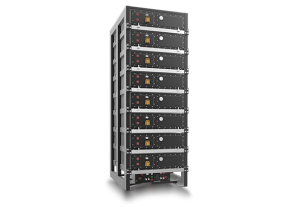
Deployment of a Great Power battery allows operators to buffer fluctuations effectively. These units capture electricity when production exceeds requirements, providing a reserve that can be deployed instantly when the grid faces stress. By smoothing out these imbalances, the technology prevents potential disruptions and ensures a consistent flow of power to end-users.
An Energy storage system functions as a bridge between generation and consumption. These systems provide the necessary reactive power support and frequency regulation that modern grids require. By utilizing advanced energy storage configurations, utility providers can manage load profiles more effectively, ensuring that the network remains stable even when intermittent sources like wind or solar represent a significant portion of the total supply.
Operational Benefits for Utility Providers
Infrastructure stability relies on the ability to respond rapidly to changes. When an Energy storage system is integrated into the utility framework, it provides a layer of resilience that traditional methods cannot easily replicate. These systems offer the modularity needed for various scales, from small commercial sites to massive utility-grade setups.
Great Power designs hardware that meets these diverse requirements, ensuring that each component contributes to a robust architecture. By focusing on longevity and cycle performance, they support the long-term viability of energy projects across many different environments. Each Great Power battery serves a purpose in balancing the load, while a well-integrated Energy storage system provides the capacity needed for modern energy demands. The role of reliable energy storage remains central to the future of grid development, as these technologies enable a more flexible and responsive distribution network.
Grid stability depends on the strategic application of advanced hardware. By utilizing an Energy storage system or a Great Power battery, operators can successfully manage the complexities of modern energy generation. This focus on high-performance energy storage ensures that the network remains dependable for all users, regardless of shifts in demand or supply levels.
