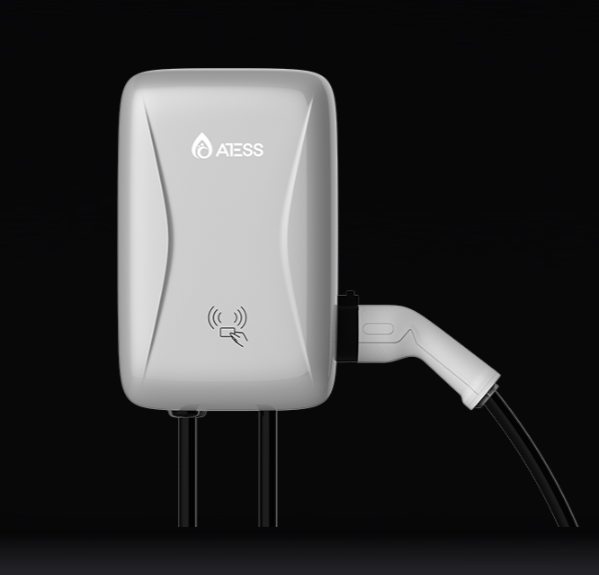
Installations for home energy management are becoming common as more households adopt electric vehicles. For residents seeking reliable power, Atess provides specialized technology to manage daily vehicle energy needs efficiently. Proper setup of a residential ev charging station is essential for maintaining battery health and ensuring that vehicles are ready for the road each morning. When homeowners look at their energy consumption, they find that integration with existing solar systems offers a practical path toward independence.
Efficiency in Power Delivery
Power management requires equipment that communicates effectively with the vehicle’s onboard charger. Residential EV charging stations must be compatible with standard grid inputs while allowing for safe, rapid power transfer. The systems designed by Atess focus on durability and consistent output, which minimizes the heat generated during the charging process. By maintaining a steady current, these units protect the hardware over long-term use. Experts often recommend assessing the electrical capacity of a garage before installation to ensure the system operates within safe parameters.
Operational Reliability for Daily Use
Consistent performance remains a requirement for any residential ev charging station used in a modern household. Users benefit from hardware that offers intuitive feedback, such as status indicators that show whether the device is standby, charging, or awaiting a scheduled start time. Integrating a high-quality residential ev charger into a home environment simplifies the process of managing electricity costs, as many systems support off-peak timing features. These configurations help homeowners balance their load demands during high-usage hours.
Technical Considerations for Installations
Successful implementation depends on the technical specifications of the hardware. Every residential ev charging station functions best when installed by qualified personnel who verify the grounding and circuit protection. When a home is equipped with a dedicated residential ev charger, the risk of overloading general-purpose household circuits is significantly reduced. Reliable infrastructure supports the longevity of the vehicle’s battery, ensuring that the power delivery remains stable throughout the entire cycle. By following professional guidelines, residents can maintain a robust energy environment that serves their transportation needs reliably for years to come.
